As 2025 draws to a close, the U.S. automotive industry finds itself at the epicenter of President Donald Trump’s aggressive trade agenda, a policy landscape that has created a stark divide between manufacturers fighting for survival and labor leaders cheering a potential manufacturing renaissance.
According to a report by The Wall Street Journal, the administration’s “fast-moving trade agenda” has resulted in tariff hikes to levels not seen in nearly a century. The economic fallout paints a complex picture: while some assembly plants are seeing renewed investment, smaller supply chain manufacturers are facing an existential crisis.
At AlphaUSA, a fastener manufacturer in the Detroit suburb of Livonia, the cost of doing business has skyrocketed. The factory, which stamps imported nuts into steel strips for vehicle frames and brake lines, has been hit hard by duties imposed under Section 232, a provision used to protect national security.
Chuck Dardas, the COO of AlphaUSA, told The Wall Street Journal that the company has paid approximately $1.3 million in tariffs through November of this year, with monthly costs now averaging a quarter-million dollars. The financial strain is threatening the company’s future.
“Unless we get some relief or unless we can pass these costs on, our company and many companies like us probably won’t exist by the end of next year,” Dardas said. “I hate to say that, but I mean, it’s the truth.”
The broader economic data suggests AlphaUSA is not alone in its struggle. Despite administration promises that 2026 will bring a rush of new factories, the U.S. manufacturing sector has shed roughly 58,000 jobs in 2025, with the auto industry specifically losing just over 15,000 positions.
However, the view from the assembly line offers a sharp counter-narrative. In Warren, Michigan, union leaders credit the threat of tariffs with saving jobs at the Stellantis Warren Truck Assembly Plant. Following the administration’s announcement of automotive tariffs, Stellantis reversed plans to cut a shift and instead announced the production of a new SUV, securing roughly 900 jobs.
For members of the United Auto Workers (UAW), this reversal is proof that protectionist policies are working.
“The tariffs have definitely moved the needle… and brought product back here,” Kevin Gotinsky, Director of the UAW Stellantis Department, said in the report. “If you’re going to sell it here, you need to build it here. That’s the bottom line.”
Local union presidents echoed this sentiment, arguing that the time for theoretical discussions about domestic production has passed.
“We can’t keep talking about ‘wow, it would be great if we built that in the United States.’ Let’s start,” said Eric Graham, President of UAW Local 140. “We have the people, we have the know-how. That’s what we do.”
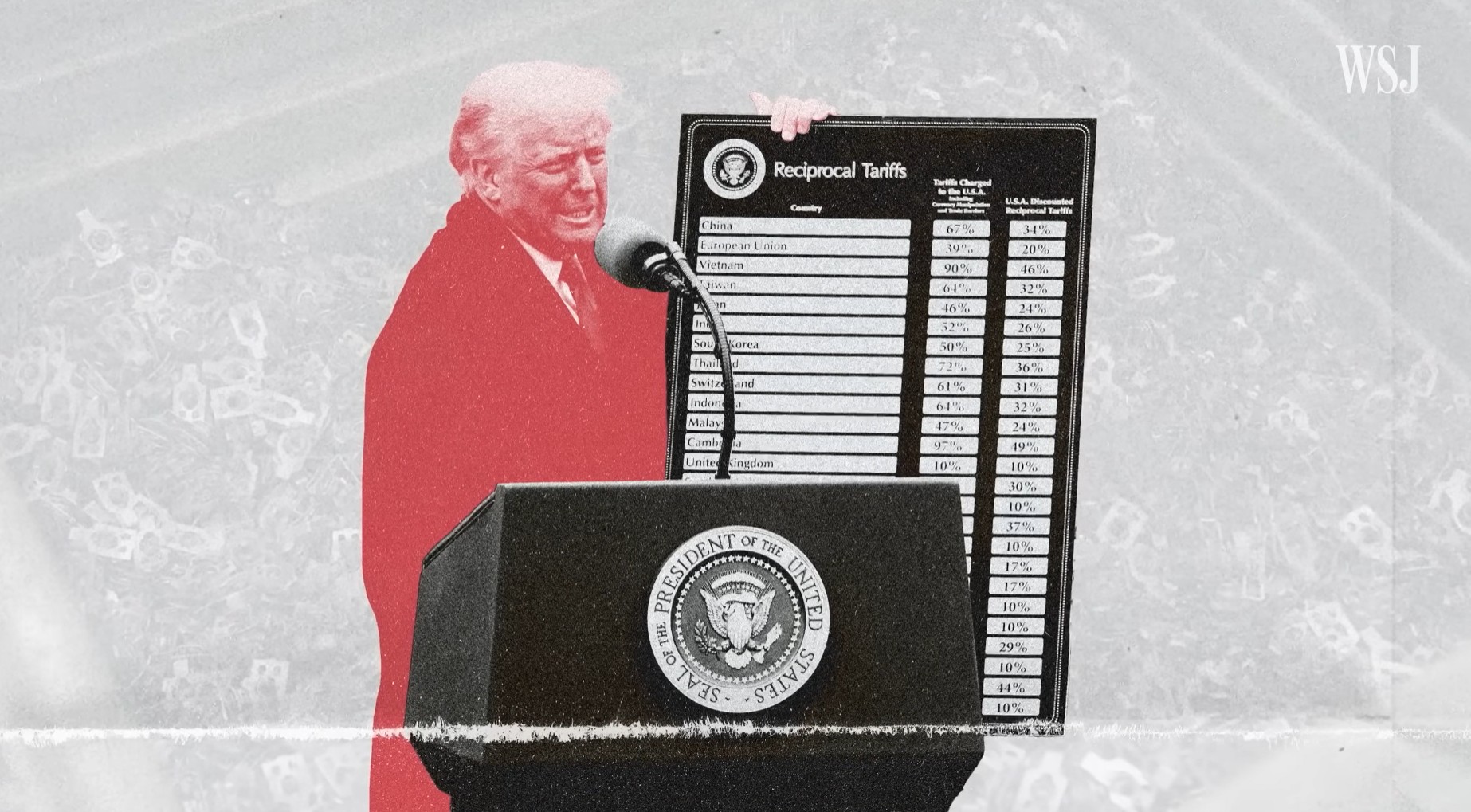
The legal foundation for some of these policies remains shaky. The Supreme Court has appeared skeptical of the President’s authority to impose “reciprocal tariffs” under the International Emergency Economic Powers Act (IEEPA). However, manufacturers like AlphaUSA fall under Section 232 tariffs, which are not currently part of that specific legal challenge.
As the industry heads into 2026, the disconnect remains profound. While union representatives see a “golden age” of manufacturing on the horizon, suppliers on the ground are calculating how long they can survive the very policies designed to save American industry.
“These aren’t just people to us, these are families,” Dardas said of his workforce. “We will do everything we can to keep those people employed.”