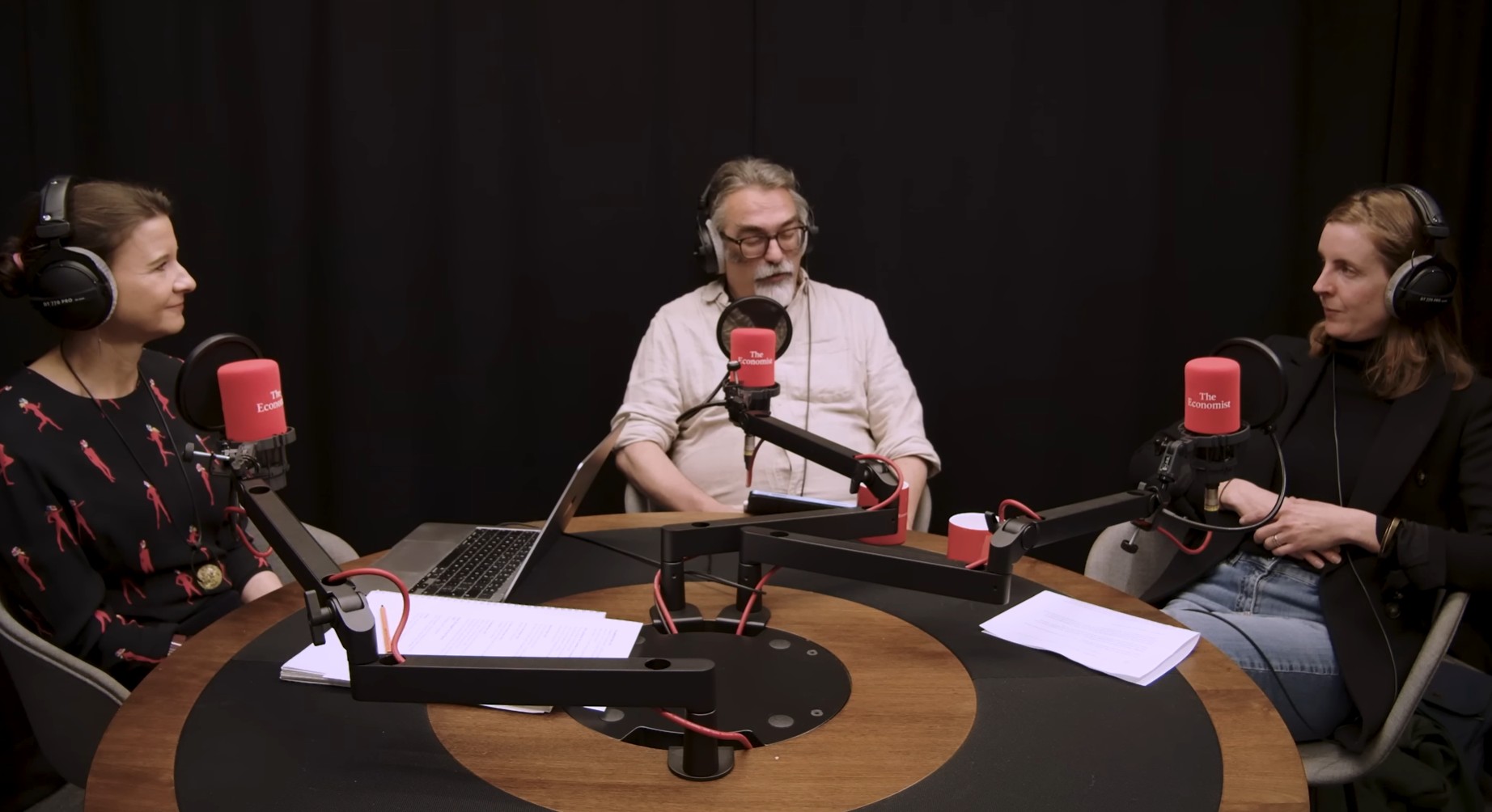
In an era of digital ephemera, the bound volume retains a surprising capacity to alter human history. Editors at The Economist recently debated which titles possess this transformative power, looking beyond religious texts to the fiction that rewired the modern mind.
Frankenstein and the Birth of Science Fiction
Mary Shelley’s Frankenstein did more than spawn a horror genre. It marked a pivot from the mysticism of alchemy to the empiricism of science, displacing the divine creator with a human one. Oliver Morton, a senior editor, said the novel established the framework for how society conceptualizes the future. It introduced the “novum”—a novelty understood through science that disrupts the status quo. This shift made the future a place that is both knowable and strange.
Science fiction creates the future it predicts.
Woolf’s Economic Realism
Virginia Woolf’s A Room of One’s Own stripped away high-minded literary theory to focus on cold, hard cash. While modern discourse often relies on abstract terms like “patriarchy,” Woolf dealt in the concrete necessities of artistic production. Catherine Nixey, the culture correspondent, said the essay shattered the illusion that literature is born solely from goodwill and “brimming hearts.” Intellectual freedom depends on financial independence.
You cannot think if you are not fed.
Austen’s Economics of Marriage
Jane Austen is often dismissed as a writer of mere romances, yet Pride and Prejudice functions as a serious examination of social machinery. The novel positions women not as trophies to be exchanged between powerful men, but as economic actors whose choices carry weight. Josie Delap, the Middle East editor, said Austen forced readers to take the domestic sphere seriously. Marriage appears here not just as a matter of the heart, but as a major financial institution of the era.
The prose is simply beautiful.
Harry Potter’s Publishing Revolution
Few modern series have reshaped the publishing landscape like J.K. Rowling’s Harry Potter. Beyond the sales figures, the books introduced complex world-building to children’s literature, allowing characters to age alongside their readers. But the author’s recent controversies have complicated her legacy. Morton drew a parallel between the current debate and Shelley’s masterpiece, suggesting a similar “visceral dislike of the idea of a man-made creature.” Nixey disputed this interpretation, framing the friction instead as a defense of women’s spaces.
Context
John Milton described a book as a “chemical vial” into which a person is poured. Without that vessel, ideas dissipate. In a fractured world, the shared hallucination of a novel may be the only thing holding reality together.