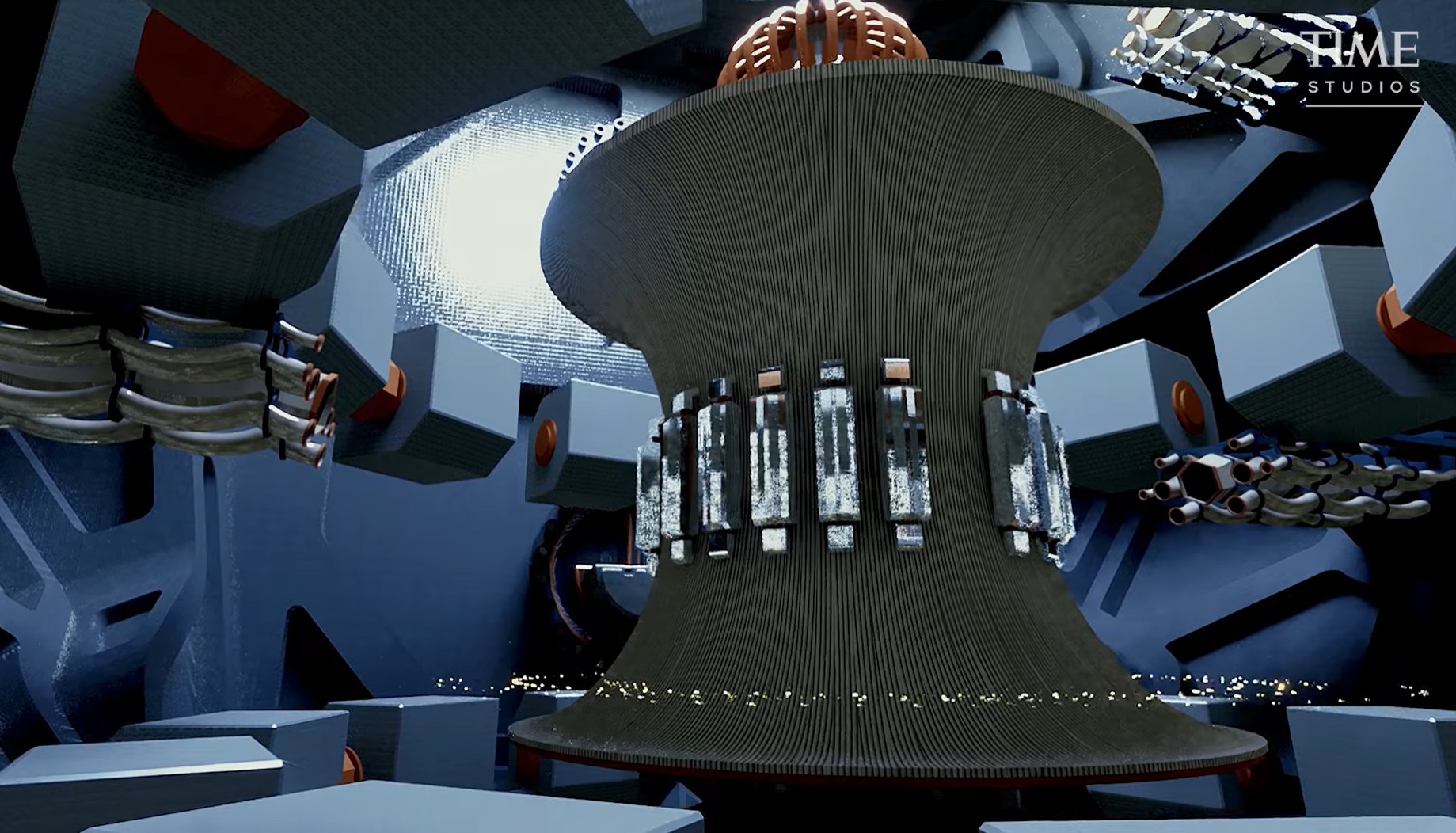
It is a vision of the future that has tantalized scientists for decades: a world fueled by limitless, clean energy, free from the shackles of fossil fuels and the dangers of radioactive waste. According to a new report by TIME, the realization of nuclear fusion—the same process that powers the sun—may be rapidly approaching, though its arrival brings a complex set of geopolitical and logistical challenges.
In a comprehensive video analysis, TIME Senior Correspondent Justin Worland outlines the current state of fusion technology, categorizing the developing narrative into “the good, the bad, and the maybe.”
The Science and the Safety
Nuclear fusion is distinct from nuclear fission, the process currently used in nuclear power plants. While fission generates energy by splitting heavy elements—a process associated with radioactive waste and the risk of meltdowns—fusion forces atomic nuclei together.
“One way you might think about it is thinking about two magnets and trying to bring two positively charged ends of magnets together and they really resist,” Worland explains. “Fusion is like doing that with atomic nuclei.”
For years, recreating the conditions of stars on Earth seemed impossible. However, the landscape shifted in 2022 when scientists achieved “fusion ignition,” the point where the reaction creates more energy than is required to sustain it. This breakthrough confirmed that the technology “can work, that can create more energy than it takes to do the process.”
The Economic and Environmental Promise
The potential benefits of commercializing this technology are staggering. From a climate perspective, fusion offers a zero-emission power source where the only byproduct is helium. Beyond environmental salvation, the economic implications are equally profound.
“If you could lower the cost of energy by 50%, maybe even more, you might start seeing people think about new kinds of ways in which we might use energy,” states Worland. He notes that this abundance could fuel emerging, power-hungry sectors, specifically citing the “big conversation around AI and energy use right now.”
The Timing Trap
Despite the optimism, the report highlights a critical hurdle: time. The most optimistic estimates suggest commercial fusion could arrive by the “early 2030s.” However, the demand for electricity is surging today, forcing utility companies to lock in infrastructure commitments now, often turning to natural gas and available renewables.
Worland warns of the risk that fusion “kind of misses the boat.” With the urgency of the climate crisis requiring immediate action, a ten-year waiting period may be a luxury the planet cannot afford.
The Geopolitical Arms Race
Beyond the engineering challenges, a struggle for dominance over the technology is already underway. Worland describes a “geopolitical arms race of sorts,” characterizing the divergent approaches of global superpowers. While the United States relies heavily on private companies to innovate, China has invested significant capital into “state-backed companies.”
This competition raises difficult questions about global equity. Developing nations looking to adopt fusion in the future may find themselves dependent on the U.S., China, or the U.K. for the technology.
A Transformative Gamble
Ultimately, the report frames nuclear fusion as a high-stakes wager with the potential to rewrite human history. Policymakers and utilities must decide whether to hold out for a technology that is not yet commercially viable or proceed with existing alternatives.
“It’s a big bet, but if it pays off, it’s going to change not just energy systems, but the global economy, global relations, and really human society,” Worland concludes.