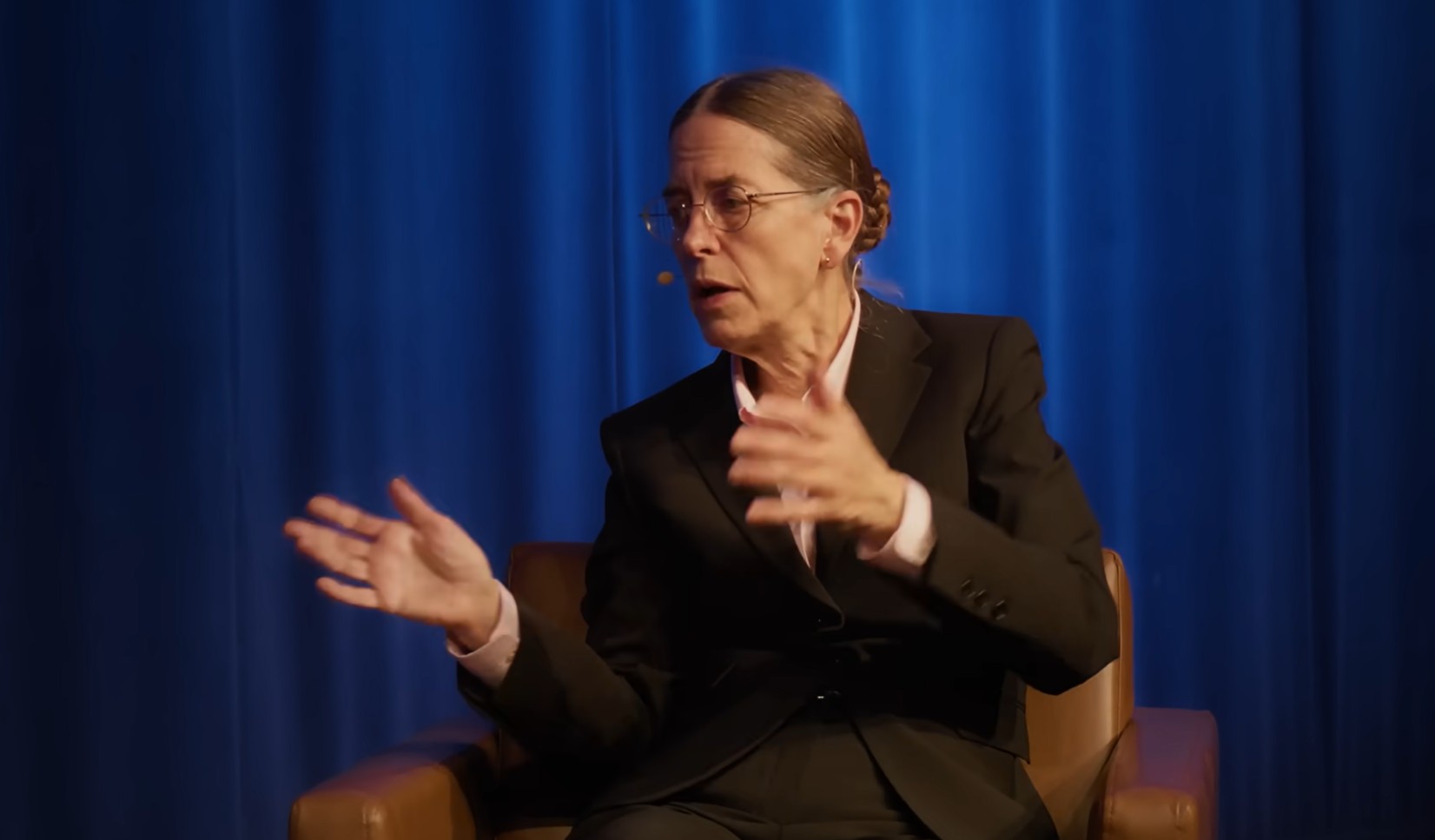
Historian Sarah Paine has drawn sharp parallels between today’s geopolitical tensions and the first Cold War, arguing that the West holds a winning hand but risks defeat through self-inflicted wounds rather than the strength of its adversaries.
Speaking on the Dwarkesh Podcast, Paine contrasted the post-war recoveries of Germany and Japan with what she called the enduring “tragedy” of Russia, while outlining a strategy for Western powers navigating what she terms a “second Cold War.”
Russia’s Historical Burden
Paine traced Russia’s modern struggles to a legacy of survival in a hostile geographic environment. While Germany and Japan successfully pivoted from tragic histories to economic prosperity, Russia has struggled to transition from a conquest-based mindset to one of commercial growth.
“It started out as a difficult address in a pre-industrial revolution that required certain things to survive. They were more ruthless than their neighbors, that’s how they did survive… they wiped out entire princely states and khanates.”
— Sarah Paine, historian and strategist
According to Paine, the mechanisms of power shifted fundamentally with the industrial revolution. Modern strength relies on compounded economic growth from commerce, trade, and industry—which in turn requires legal systems, institutions, and stability. Russia, lacking historical foundations such as the Renaissance and Reformation, has found this transition difficult.
“People like Putin can set the clock way back. What he’s done will take a generation minimum.”
— Sarah Paine
The Cold War Blueprint
Despite the bleak outlook for Russia, Paine rejected the notion that the current situation is hopeless. She described the West’s Cold War victory as a triumph of patience and societal success—a model still applicable today.
“The Soviet Union was living miserable lives of their own making. But Americans… they paid taxes, they had to pay for all the nuclear weapons, but people are running around in Disneyland, they’re doing their European trips. Americans, people in Western Europe, were actually living fulfilling lives while they’re waiting out for others to get with the program.”
— Sarah Paine
Context
The Cold War strategy involved allowing for a “non-nuclear landing” for a collapsing rival while maintaining domestic prosperity and strong alliances—an approach Paine argues remains valid for dealing with modern authoritarian regimes led by Vladimir Putin and Xi Jinping.
The Real Threat: Self-Sabotage
Paine issued a sharp warning about the West’s current trajectory. She emphasized that the United States and its allies hold a “good hand of cards” but risk squandering their advantage through internal dismantling of key institutions.
“If we get rid of all of our university funding… we aren’t going to have the intellectual capital on which those businesses are based. If we’re going to dump all our allies for unknown reasons… we become a cooperative adversary.”
— Sarah Paine
The historian concluded that the greatest threat to the West is not the strength of its rivals—who are often “living off of debt instead of thinking creatively”—but rather unforced errors at home.
“We will be the bozo putting a plastic bag on our own head. We need to get our house in order.”
— Sarah Paine