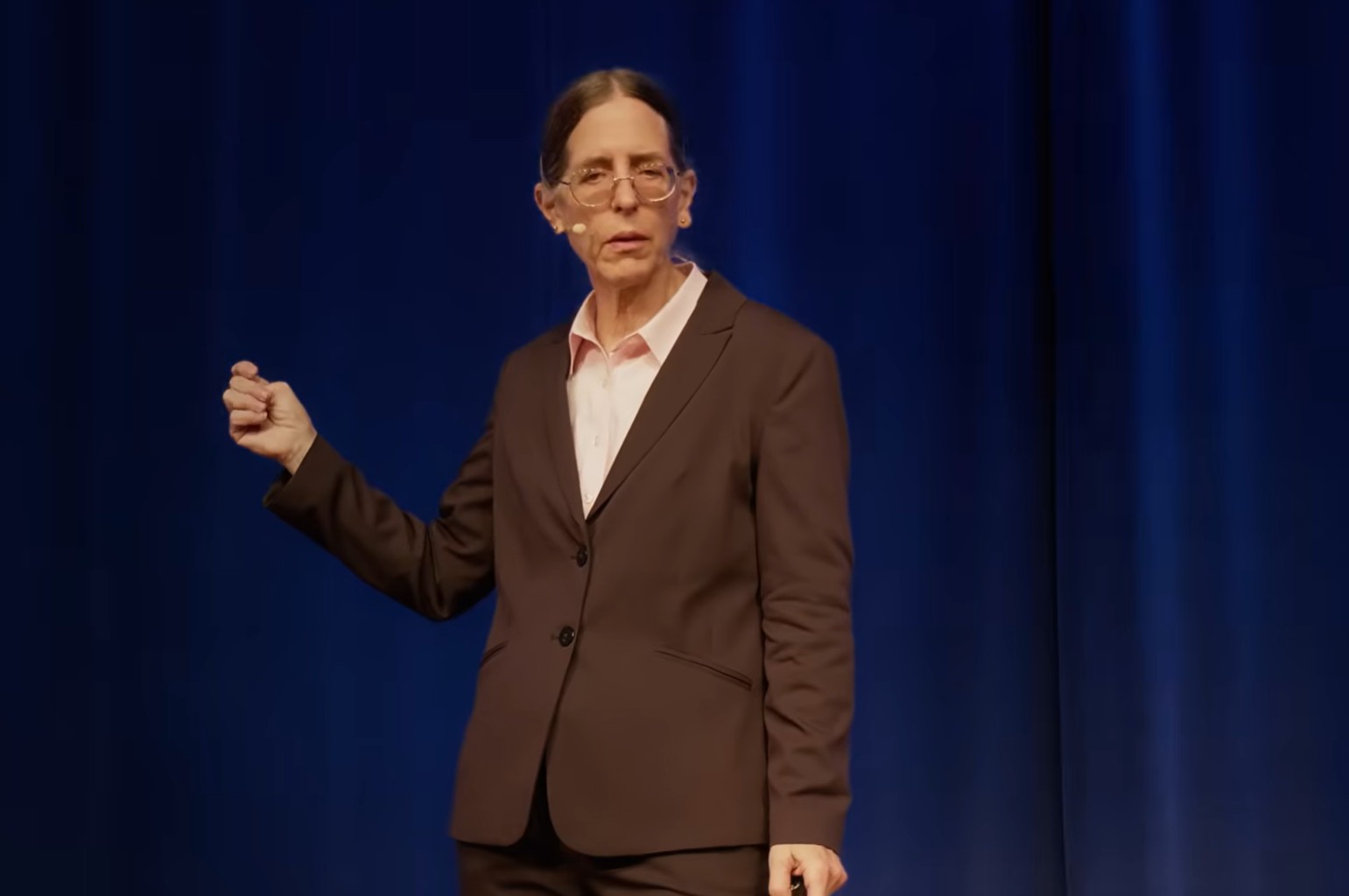
Vladimir Putin has fundamentally abandoned the Soviet playbook of avoiding direct military conflict, instead relying on a constant state of aggression to consolidate domestic power, according to renowned military historian Sarah Paine. In a lecture highlighted by the Dwarkesh Clips channel, Paine offered a scathing critique of the Russian President’s foreign policy, dismissing claims of NATO provocation as “gaslighting.”
Paine argues that Putin represents a dangerous departure from Soviet-era leadership. She noted that rulers from the USSR, up through Leonid Brezhnev, were typically veterans of World War II who possessed a cautious respect for the unpredictability of combat.
“They understood that war is easy to get into, hard to get out of, very unpredictable,” Paine stated. Consequently, Soviet strategy favored proxy wars—such as those in Korea and Vietnam—specifically because they avoided direct “hot wars” while effectively tying down American resources.
According to Paine, the geopolitical caution of the Soviet era began to erode with the 1979 invasion of Afghanistan under Yuri Andropov, a decision made against the advice of the military leadership. However, she argues that Putin has accelerated this trend, utilizing conflict as a primary tool for political survival.
“He has risen to power on a diet of hot wars,” Paine observed. She traced this pattern back to the Second Chechen War in 1999, where Putin oversaw the destruction of the capital, Grozny. This was followed by the 2008 invasion of Georgia, which resulted in the detachment of South Ossetia and Abkhazia.
Paine suggests that the 2014 annexation of Crimea was less about security and more about domestic polling. After eliminating term limits in 2012—a move Paine noted was unpopular—Putin utilized the seizure of Ukrainian territory to bolster his approval ratings. “He walks off with about 7 percent of Ukrainian territory at very little cost, and Russians think that’s great,” she said.
Addressing the current conflict in Ukraine, Paine systematically deconstructed the narrative that NATO expansion is to blame for Russian aggression. She argued that the alliance did not recruit Eastern European members, but rather that those nations “stampeded into NATO” voluntarily to secure protection against Russian imperialism.
Paine characterized the Kremlin’s claims that Russia is being victimized or encircled by the West as “ludicrous,” arguing that Russia has historically posed an “existential threat” to its neighbors, not the other way around.
“No one today wants to invade Russia. Who would want it? It is full of Russians. We want them to stay home,” Paine remarked.
She concluded that the Russian President’s rhetoric is a diversionary tactic designed to mask internal failures. By focusing on external enemies, Paine argued, Putin avoids addressing a “totally dysfunctional domestic system” that offers its neighbors “nothing but problems.”
“The Russians like to gaslight everybody else like, ‘You’re the problem,’” Paine said. “He’s gaslighting everybody.”