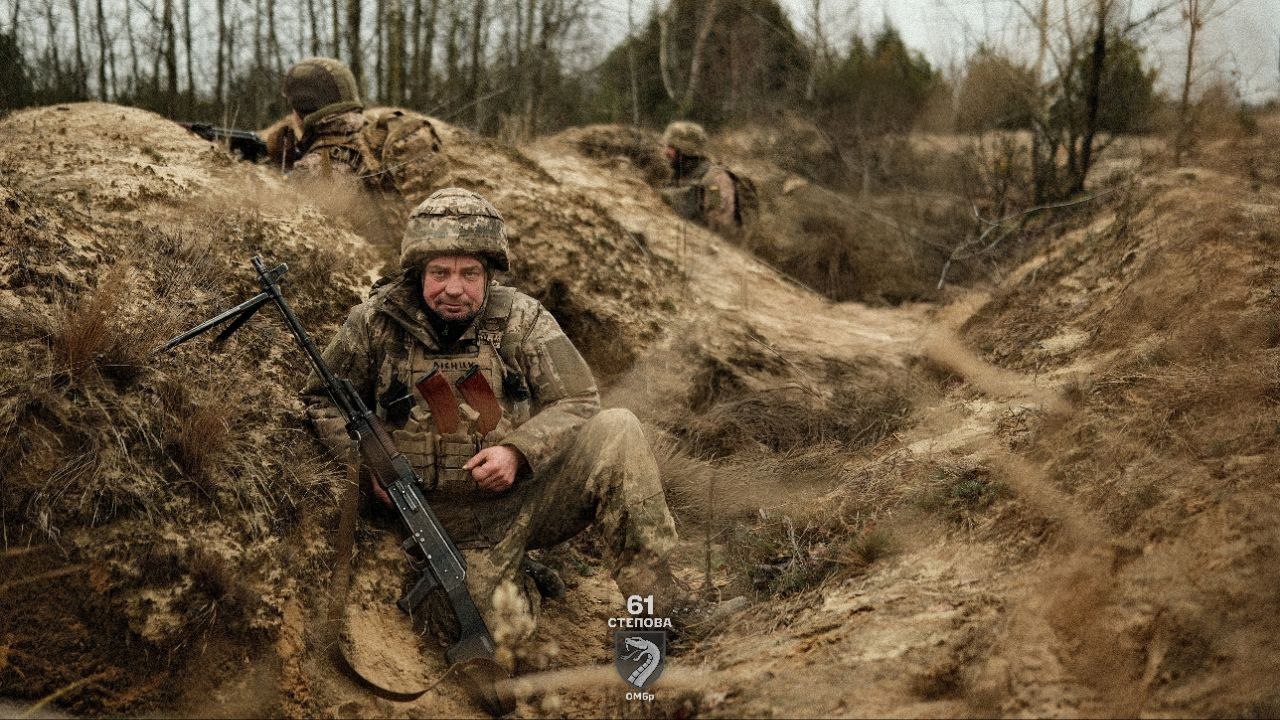
As 2025 draws to a close, hopes for a holiday ceasefire in the Russo-Ukrainian War have evaporated, replaced by a grim reality of diplomatic stalling and continued Russian advances in the Donbas.
According to a panel of defense experts speaking on a December 24 episode of the War on the Rocks podcast, the conflict has entered a protracted phase of negotiation and attrition that is unlikely to resolve before late 2026. Despite earlier signals from the White House regarding a potential deal by Thanksgiving or Christmas, the fighting grinds on, with both Moscow and Kyiv digging in for another year of war.
“It is clear we are not going to get any kind of deal by Christmas or this year,” said Michael Kofman, a senior fellow at the Carnegie Endowment for International Peace, during the podcast. While acknowledging that negotiations have begun, Kofman described the current diplomatic maneuvering as “the beginning of the end,” predicting that the parties are on a path toward a ceasefire and negotiated settlement “later in 2026.”
Diplomatic Stalling and the Phantom of Security Guarantees
The failure to reach a holiday truce underscores the chasm between Russian demands and Ukrainian security needs. Dara Massicot, a senior fellow at the Carnegie Endowment, noted that Russian officials have issued a series of “cooling statements” in recent weeks, aimed at dampening expectations for a quick settlement.
“To me, I read it as stalling tactics,” Massicot said. “I just don’t see them really learning a lot of lessons from the diplomacy, and they are just stalling for time so they can continue to eke forward on the ground in Donetsk.”
A central sticking point remains the nature of security commitments for Ukraine post-war. While Western allies discuss “Article 5-style guarantees,” the experts expressed skepticism about the substance behind the rhetoric. Massicot described these vague assurances as “home style chicken noodle soup from Campbell’s—not quite the same” as actual NATO membership.
Kofman argued that bilateral agreements are insufficient for credible deterrence. “It would never work as a bilateral security agreement between two states,” Kofman said, noting that Russia is seeking a “concert of powers” arrangement where Moscow would effectively hold a veto over any future foreign military intervention in Ukraine.
Ryan Evans, the podcast’s host, suggested a European-led security coalition involving nuclear-armed Britain, alongside Poland, the Nordics, and the Baltic states, to guarantee Ukraine’s borders. However, Kofman questioned whether European states currently possess the capacity to deploy the necessary force levels to make such a guarantee credible without the United States leading the effort.
The Battlefield: Attrition and Adaptation
While diplomats talk, the war on the ground remains intense. Following a year of grueling combat, the frontlines have shifted, though neither side has achieved a decisive breakthrough.
According to Kofman, the situation in late 2025 is “not terrible, not great” for Ukraine. While Ukrainian forces managed to retake parts of Kupyansk and cut off Russian access to the city’s north, Russian troops have advanced elsewhere. Kofman noted that Siversk has been “largely taken,” and the logistics hubs of Pokrovsk and Myrnohrad are facing envelopment, likely forcing a future Ukrainian retrograde.
Russia has maintained pressure by trading equipment preservation for high manpower losses. “Russian forces made a big tradeoff in terms of preservation of equipment versus manpower losses this year,” Kofman explained.
Furthermore, Moscow continues to adapt its arsenal. Massicot highlighted reports that Russia is moving the Oreshnik ballistic missile into serial production, a development she described as “not a surprise” given the failures of Russia’s cruise missiles against Western air defenses.
Technological adaptation continues on the tactical level as well. Kofman noted that Russia is deploying modifications to Shahed drones, including “mesh modem” technology that creates a network allowing for dynamic control over hundreds of kilometers, complicating Ukrainian interception efforts.
No Collapse Imminent
Despite the relentless pressure and persistent rumors in some Western policy circles, the experts emphasized that the Ukrainian military remains cohesive.
“They are not really moving,” Massicot said of the Russian advances relative to their strategic goals, adding that Russia pays “no penalty” for its intransigence in negotiations. She urged a rejection of the narrative that Kyiv is falling apart. “It is a military that still functions,” Massicot said. “It is not on the verge of collapse.”
However, the political costs for Kyiv are rising. As the war stretches toward 2026, Ukrainian President Volodymyr Zelensky faces the harrowing task of selling potential territorial concessions—or a demilitarized zone that Russia might simply violate later—to a population and military that have sacrificed immensely.
“It’s politically poisonous for Kyiv,” Massicot warned, noting that any agreement requiring withdrawal from claimed territory could cause a “significant cascade effect that will ripple across Ukrainian society.”