For decades, the United States operated in a geopolitical landscape where it could essentially dictate the terms of global engagement. However, a seismic shift in economic power is underway, demanding a strategic overhaul from Washington to court a group of rising “hinge states” that refuse to pick sides between great powers.
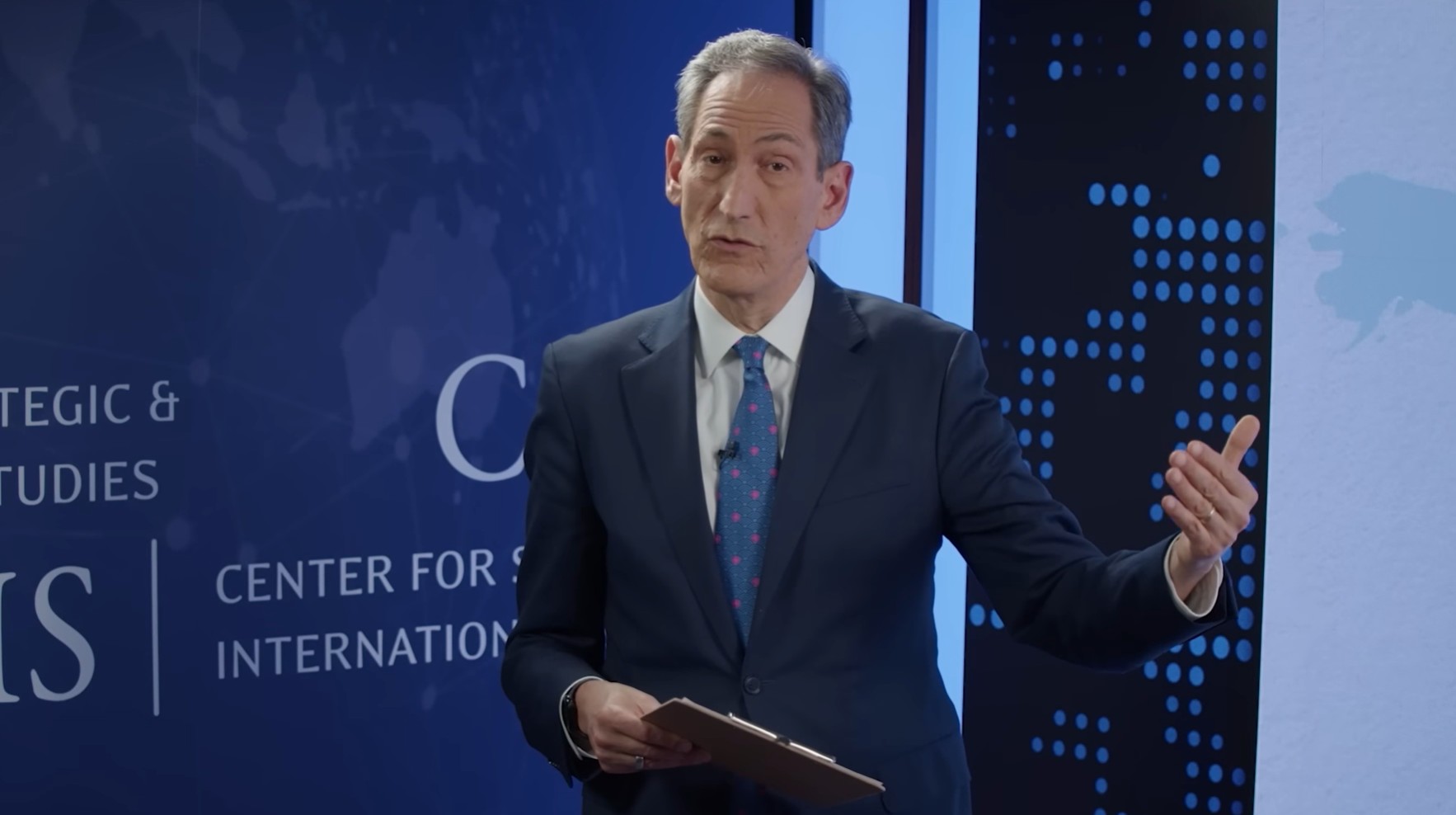
A new analysis released by the Center for Strategic and International Studies (CSIS) outlines a rapidly changing world order where the economic dominance of the West is fading. According to Jon B. Alterman, the Brzezinski Chair in Global Security and Geostrategy at CSIS, the United States and other wealthy OECD nations represented about 80% of global GDP in 1990. That balance of power has irrevocably shifted.
“If you look forward to projections now for 2030… the share of the United States and its partners has gone down to half, about 40%, and the rest of the world will represent 60%,” Alterman stated.
The Rise of the “Hinge States”
To navigate this new reality, the CSIS report focuses on eight specific nations identified as “hinge states”: Mexico, Brazil, South Africa, Saudi Arabia, the United Arab Emirates, Turkey, India, and Indonesia. These nations are characterized by their status as regional powers, their membership in the G20, and their refusal to align exclusively with a single bloc.
Instead, these countries are “deeply integrated in trade in their region” and maintain robust economic ties with the United States, China, and Russia simultaneously. “These countries are the ones that help lead how different regions of the world are going to treat the United States, China, and Russia,” Alterman noted. “They are the ones who will determine whose rules matter.”
The Battle for the “Global South”
The report highlights how the concept of the “Global South” has evolved from a loose economic descriptor into a potent political identity. Lily McElwee, a fellow in the Freeman Chair in China Studies at CSIS, observed that the BRICS grouping (Brazil, Russia, India, China, and South Africa) has expanded significantly, capturing global attention.
McElwee warned that revisionist powers are utilizing this identity for their own strategic ends. “China and Russia clearly use the term and seek expanded multilateral groupings to peel off countries from the West,” she said.
However, for the hinge states themselves, the label represents more than just anti-Western sentiment; it is a tool for leverage. “They see the Global South framing, and the solidarity following that framing, as a pathway toward boosting their geopolitical weight,” McElwee explained.
A Populist Frame for Foreign Policy
The researchers suggest that Washington should view the motivations of these rising powers through the lens of populism. These nations share a sense of grievance against the current global order and a desire for greater agency.
“It feels to us like populism was actually a decent frame,” Alterman said, describing the sentiment as a belief that “the world is divided into a mass of people who are exploited by a small number of people.”
Despite the challenges, the report argues that Western democracies are well-equipped to handle this dynamic. Alterman noted that democracies are adept at dealing with populist movements by giving people “a stake in their future.”
A New Strategy for Engagement
To secure American interests, the CSIS report recommends a shift away from demanding total alignment and toward building “ad hoc coalitions” focused on tangible results in areas like climate, health, and technology.
McElwee emphasized the need for Washington to “offer clear incentives” and support the “democratization of global institutions.” This includes addressing long-standing complaints about the static nature of bodies like the United Nations Security Council.
“The United States can more effectively engage a wide swath of nations in the Global South by focusing its attention on these eight hinge states,” McElwee said, noting that aligning with these regional leaders is the most efficient way to secure a stable future.
The report concludes with a stark warning regarding the cost of inaction. “The alternative to having these countries on our side… is a breakdown in the international system where the bigger a state is, the more it can get away with,” Alterman said. “That kind of world is going to be a world that’s a lot more violent and a lot poorer than the world we have right now.”