The Trump administration has released a sweeping new National Security Strategy (NSS) that explicitly repudiates the bipartisan foreign policy consensus of the post-Cold War era, signaling a profound shift toward economic nationalism, hemispheric dominance, and a confrontational stance toward traditional European allies.
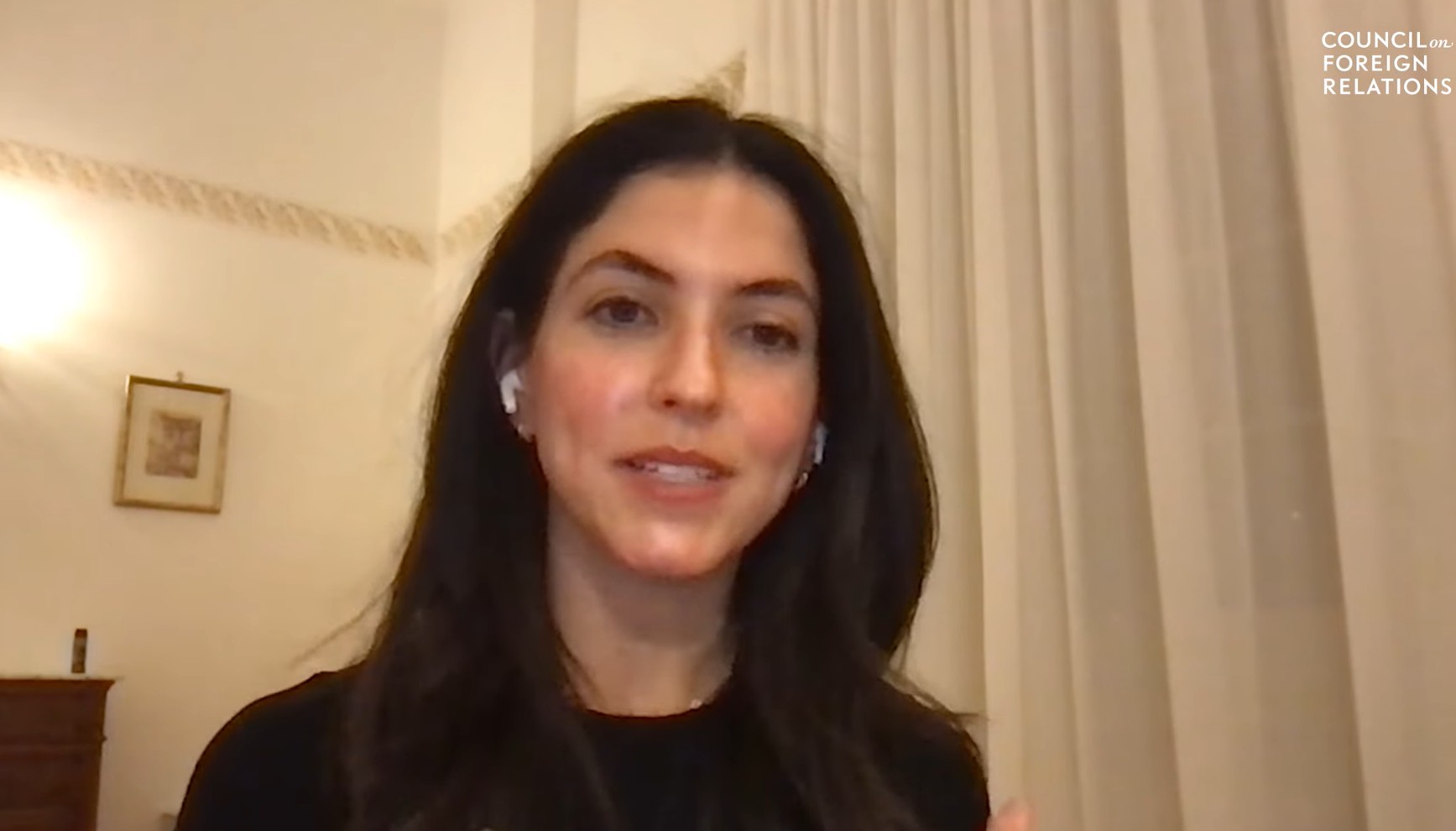
In a comprehensive breakdown of the 29-page document on the Council on Foreign Relations’ podcast The President’s Inbox, Rebecca Lissner, a senior fellow for U.S. foreign policy, described the strategy as a document that fundamentally reorders American priorities. The strategy, released in November 2025, argues that previous administrations undermined the nation’s power, wealth, and decency by pursuing a “liberal universalism” that overreached globally.
According to the text of the strategy read by host James M. Lindsay, the administration asserts that “after the end of the Cold War, American foreign policy elites convinced themselves that permanent American domination of the entire world was in the best interests of our country.” The document contends that this pursuit undercut the very character of the nation.
A Departure from Great Power Competition
Lissner, who served as a deputy national security adviser to the vice president in the Biden-Harris administration, noted that the new document is a stark departure not only from previous Democratic strategies but also from President Trump’s own 2017 NSS.
“This is not a grand strategy of great power competition,” Lissner stated. Unlike the 2017 strategy, which identified China and Russia as core systemic competitors, the 2025 document lacks “strategic clarity” regarding these adversaries. Instead, it elevates economics as the primary theater of conflict, seemingly deprioritizing security concerns and human rights in favor of striking a “grand economic bargain” with Beijing.
Lissner highlighted that the strategy downplays the threat from Russia and completely omits mention of North Korea, focusing instead on trade imbalances. “The paramount priority is the economic or the commercial one,” Lissner observed, warning that the administration appears willing to trade away strategic assets—such as advanced technology or the defense of Taiwan—to achieve favorable economic terms.
The “Trump Corollary” and Hemispheric Control
Perhaps the most aggressive pivot in the new strategy is its hyper-focus on the Western Hemisphere. The document outlines what officials are calling a “Trump Corollary” to the Monroe Doctrine, asserting a right to U.S. dominance in Latin America to combat migration and “narco-terrorists.”
“What’s new here is the idea that this should be a military project,” Lissner said, noting the document calls for a significant increase in U.S. troop presence in the region. She argued that this approach signals a move toward explicit spheres of influence, where the U.S. claims privilege in the Western Hemisphere while potentially conceding space to Russia and China in their respective regions.
This militarized stance has reportedly alienated regional partners. “I don’t see people in Latin America embracing the return of Uncle Sam setting countries on the straight and narrow path,” Lindsay noted during the discussion.
“Civilizational Erasure” and the Break with Europe
In a rhetorical turn that aligns the White House with far-right movements across the Atlantic, the strategy reserves some of its harshest criticism for the European Union. Rather than citing Russian aggression as the primary danger to Europe, the document identifies “civilizational erasure” as the continent’s greatest threat—a reference to migration and the erosion of traditional national identities.
Lissner described this as a “really dramatic departure” from historical U.S. policy. The strategy frames the EU not as a partner, but as an entity undermining national sovereignty through over-regulation and liberal social policies. “The core message to Europe is that the greatest threat to Europe itself is the EU,” Lissner explained.
Contradictions in Strategy
Despite its bold assertions, Lissner pointed out deep internal inconsistencies within the document. While it champions the concept of sovereignty, the administration openly advocates for political interference in the domestic affairs of Latin American and European nations to support ideological allies. Furthermore, the strategy explicitly aims for “soft power dominance” while simultaneously dismantling the traditional vehicles of that power, such as USAID and foreign assistance programs.
“It is a document of political signaling,” Lissner concluded, suggesting that the strategy is less a coherent blueprint for governance and more a reflection of the competing factions within the administration—ranging from isolationists to economic nationalists.
As the administration prepares to release its accompanying National Defense Strategy, Washington insiders and foreign capitals alike are bracing to see if the Pentagon will operationalize these radical shifts, particularly regarding the de-emphasis on China as a military threat and the militarization of policy in the Western Hemisphere.