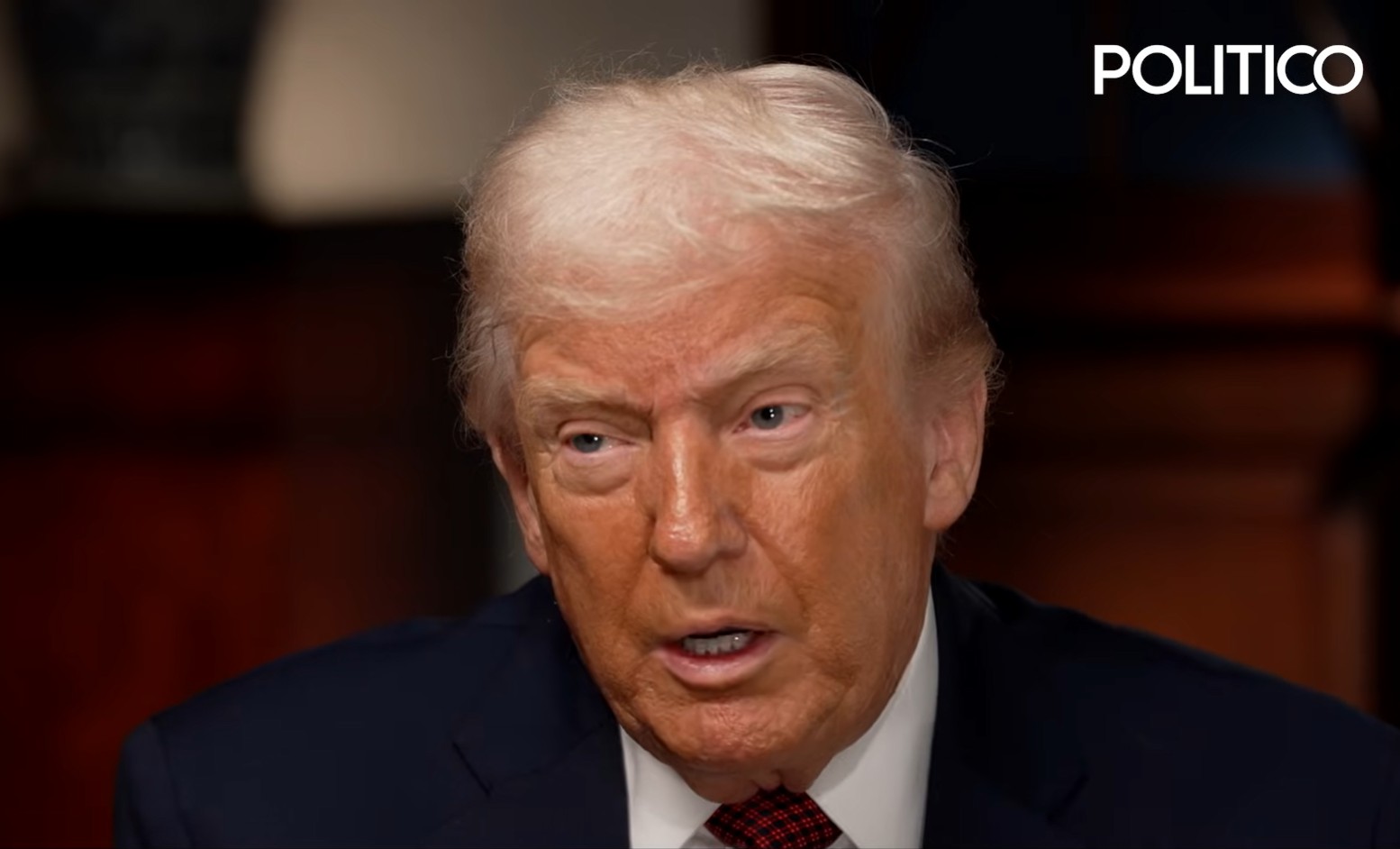
Nearly one year into Donald Trump’s second term, the political movement that propelled him back to the White House is facing an unprecedented internal reckoning. According to a detailed analysis presented on The New York Times podcast “The Daily,” the President is currently navigating a series of public ruptures with the very influencers and politicians who once formed his praetorian guard.
In a report featuring Times political correspondent Robert Draper, the fractures within the “Make America Great Again” movement were described not as minor policy disagreements, but as fundamental questions regarding the identity of the American Right. The tension has pitted the governing reality of the Trump administration against the populist idealism of his base, resulting in high-profile defections and rising hostility.
The Loss of Discipline
The unraveling of the coalition’s discipline can be traced back to September 10, 2025, with the assassination of conservative activist Charlie Kirk. Draper noted that Kirk had possessed a “unique skill” to “enforce a kind of discipline in the overall message of the right.” Following his death, the movement lost its ability to tamp down growing frustrations regarding President Trump’s agenda, specifically concerning foreign entanglements and the economy.
Without Kirk’s stabilizing influence, influential voices on the fringe began to challenge the administration more aggressively. This culminated in a controversial interview conducted by Tucker Carlson with white nationalist Nick Fuentes in November. Despite Fuentes’s history of antisemitic rhetoric, Carlson offered him a platform to critique the administration’s foreign policy, specifically the U.S. relationship with Israel.
“The issue here isn’t that Tucker Carlson had Nick Fuentes on his show,” conservative commentator Ben Shapiro noted in a clip played on the podcast. “The issue here is that Tucker Carlson decided to normalize and fluff Nick Fuentes.”
Draper observed that for Carlson and others, the “America First” principle had been “a campaign slogan” for Trump, but for the base, it was a literal demand to cease foreign involvement. “Nick Fuentes and Tucker Carlson are able to reasonably assert that foreign entanglements have intruded into and in many ways disrupted those administration priorities,” Draper said.
A High-Profile Resignation
Perhaps the most significant blow to the President’s political front was the resignation of Congresswoman Marjorie Taylor Greene of Georgia. Once one of Trump’s staunchest defenders, Greene stepped down from office amid a public feud with the White House, citing the administration’s failure to address domestic affordability while engaging in conflicts abroad, including a recent seizure of an oil tanker off the coast of Venezuela.
“I’m really tired of the pissing contests in Washington D.C. between the men,” Greene stated during an appearance on The View. “I feel like the government has failed all of us.”
Greene’s pivot from loyalist to critic drew a harsh rebuke from the President. In a post on social media, Trump lashed out, labeling her “Marjorie Traitor Greene” and calling her a “disgraced traitor.”
Despite the attacks, Greene doubled down on her critique of the administration’s deviation from its populist roots. “America First should mean America First and only Americans first, with no other foreign country ever being attached to America First in our halls of government,” Greene said in a video statement announcing her resignation. “I do not want my sweet district to have to endure a hurtful and hateful primary against me by the president that we all fought for.”
Vulnerability in the Base
The infighting comes at a perilous time for the President. While his core supporters remain largely steadfast, Draper reported that “the bottom is really falling out of his support amongst independents,” as well as among young men and minority male voters—demographics crucial to his 2024 victory.
In an attempt to stem the bleeding and reconnect with voters on economic issues, President Trump has launched a domestic tour focused on affordability. However, his rhetoric has appeared defensive. During a recent rally, Trump expressed frustration with the electorate’s focus on the cost of living, mocking the complaints. “They use the word affordability… and that’s their only word,” Trump told the crowd. “What the hell do you think I’m doing?”
According to Draper, this reaction highlights a disconnect between the President and the movement he created. “The posture is not one of ‘Voters, I hear you, I feel your pain,’” Draper said. “Instead, he has been dismissive.”
As the administration moves toward the midterm elections, the schism between the President’s governing actions and the ideological demands of his movement suggests that the “America First” coalition may be proving impossible to hold together in a post-campaign world.
“It is hard to imagine what would happen to bring all of those pieces back together,” Draper concluded.