A wave of unrest sweeping Iran has evolved into a historic challenge to the Islamic Republic, unifying disparate segments of society against the clerical establishment. Unlike previous regional protests, this uprising is driven by an economic death spiral that has bridged the divide between the urban working class, the youth, and conservative merchants.
Context
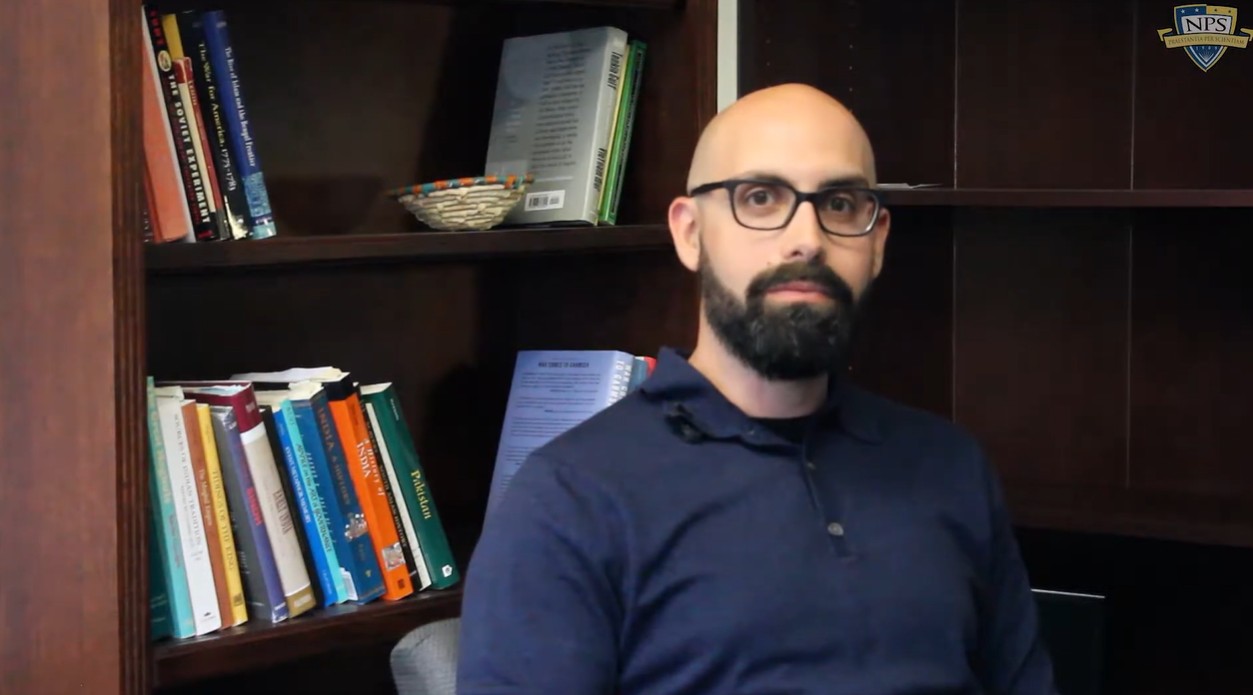
Afshon Ostovar, a leading expert on the Iranian regime, detailed this escalating crisis in a conversation with Ryan Evans on the War on the Rocks podcast. He noted that while past dissent was often segmented by geography, the current movement has aligned the “bazaaris”—the traditional merchant class and former pillar of the mullahs—with the broader opposition.
Economic Collapse
Hyperinflation drives the volatility. The fiscal collapse has destroyed the purchasing power of the average citizen, eroding the regime’s traditional support base.
70%
Price hike on food staples in one year
“The government has shown no sensibility and no ability to get to steer Iran out of this morass.”
— Afshon Ostovar
State Violence and Isolation
Tehran relies on a tiered system of violence to maintain control. Police in riot gear form the first line of defense, backed by the Islamic Revolutionary Guard Corps (IRGC) and plainclothes Basij militia who deploy lethal force when crowds swell beyond police control. The state has also utilized non-Iranian mercenaries who have few qualms about shooting locals to suppress dissent. The government has no answers left but violence.
Internationally, the regime is isolated. Its “axis of resistance” lies in tatters, with proxies like Hamas and Hezbollah severely degraded by Israeli military operations. Neither Russia nor China has stepped in to provide the air defense systems or economic lifelines necessary to stabilize the Islamic Republic’s position.
“[The regime is] far weaker than they’ve ever been.”
— Afshon Ostovar
The Alternative
Protesters are increasingly rallying around the name of Reza Pahlavi, the exiled crown prince. While controversial among some political factions, Pahlavi possesses the strongest brand for those seeking a total overhaul rather than incremental reform. His willingness to engage with Western and Israeli leaders has positioned him as a pragmatic conduit for regime change in the eyes of a desperate population.
A clean transition of power remains unlikely. The path forward suggests a potential fracture within the security services or a violent collapse, as elite defectors eventually scramble to save themselves from a sinking ship.