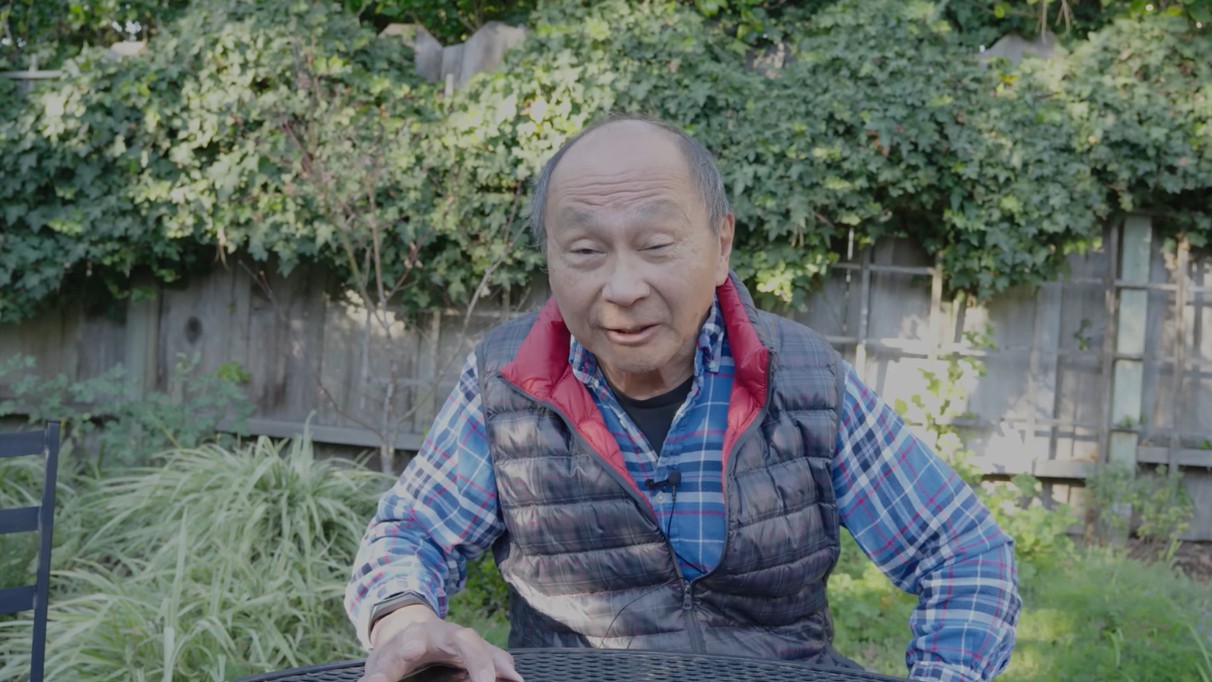
Francis Fukuyama, the Stanford political scientist who spent two decades analyzing the failures of American interventionism in the Middle East, sees history repeating itself in South America. In a recent analysis for his “Frankly Fukuyama” series, he argued that the Trump administration has stumbled into a trap of its own making in Venezuela. Despite campaigning against “forever wars,” the former president has embarked on a strategy Fukuyama termed “nation-building light.”
Remote Control Governance
This approach relies on decapitating the leadership of the Nicolas Maduro regime while attempting to manage the country by remote control from Washington. The administration has aligned itself with Delcy Rodríguez, a figure deeply entrenched in the ideology of the previous government, hoping to maintain order without the commitment of a physical occupation.
The plan is precarious. Fukuyama said the strategy ignores the central lesson of the post-9/11 era: state-building requires massive local buy-in and usually fails when led by foreign powers. By removing the head of state but leaving the security apparatus and political structures intact, the United States risks unleashing chaos it cannot control. Past interventions suggest that limited engagements rarely remain limited. Fukuyama pointed to the danger of “mission creep,” where unexpected instability forces a reluctant hegemon to deepen its involvement or face humiliation.
The Energy Miscalculation
Economic misconceptions appear to be driving the policy. Trump has publicly pushed for American executives to pour $100 billion into revitalizing Venezuela’s petroleum sector. But the global energy landscape has shifted fundamentally since the mid-20th century. The United States is now a dominant energy exporter and does not need Venezuelan crude to function.
Corporate leaders have been skeptical. Oil executives told Fukuyama they will not risk capital in a lawless environment. Money will not flow until there is a guarantee of property rights and physical security, conditions that are impossible to meet under the current arrangement.
8 Million
People displaced by the crisis
The human cost of this miscalculation is already spilling across borders. Eight million people have fled the economic collapse and political violence of the Chavista years, destabilizing neighbors like Colombia and Chile while creating a crisis at the U.S. southern border. These migrants will not return to a country ruled by an unstable interim government backed by foreign pressure. They require a functioning state.
The Currency of Legitimacy
“Legitimacy is not a luxury that only rich democracies can afford. It is the only currency that buys voluntary obedience from a population.”
— Francis Fukuyama
Stability ultimately depends on political legitimacy. Fukuyama argued that true order cannot be imposed by a remote administration partnering with fragments of a hated regime.
The path forward requires a return to the democratic process that the Venezuelan opposition has fought to preserve. The opposition movement, led by figures like María Corina Machado, documented the theft of the 2024 election and remains the only entity capable of governing with popular consent. But the remnants of the old guard will violently resist any transition that threatens their survival.
Analysis
Washington has placed itself in a position where it owns the outcome but lacks the mechanism to shape it. Without a commitment to free elections and the difficult work of reconstructing state capacity, the U.S. is merely presiding over a vacuum. A legitimate government is a source of power, not just a moral preference.