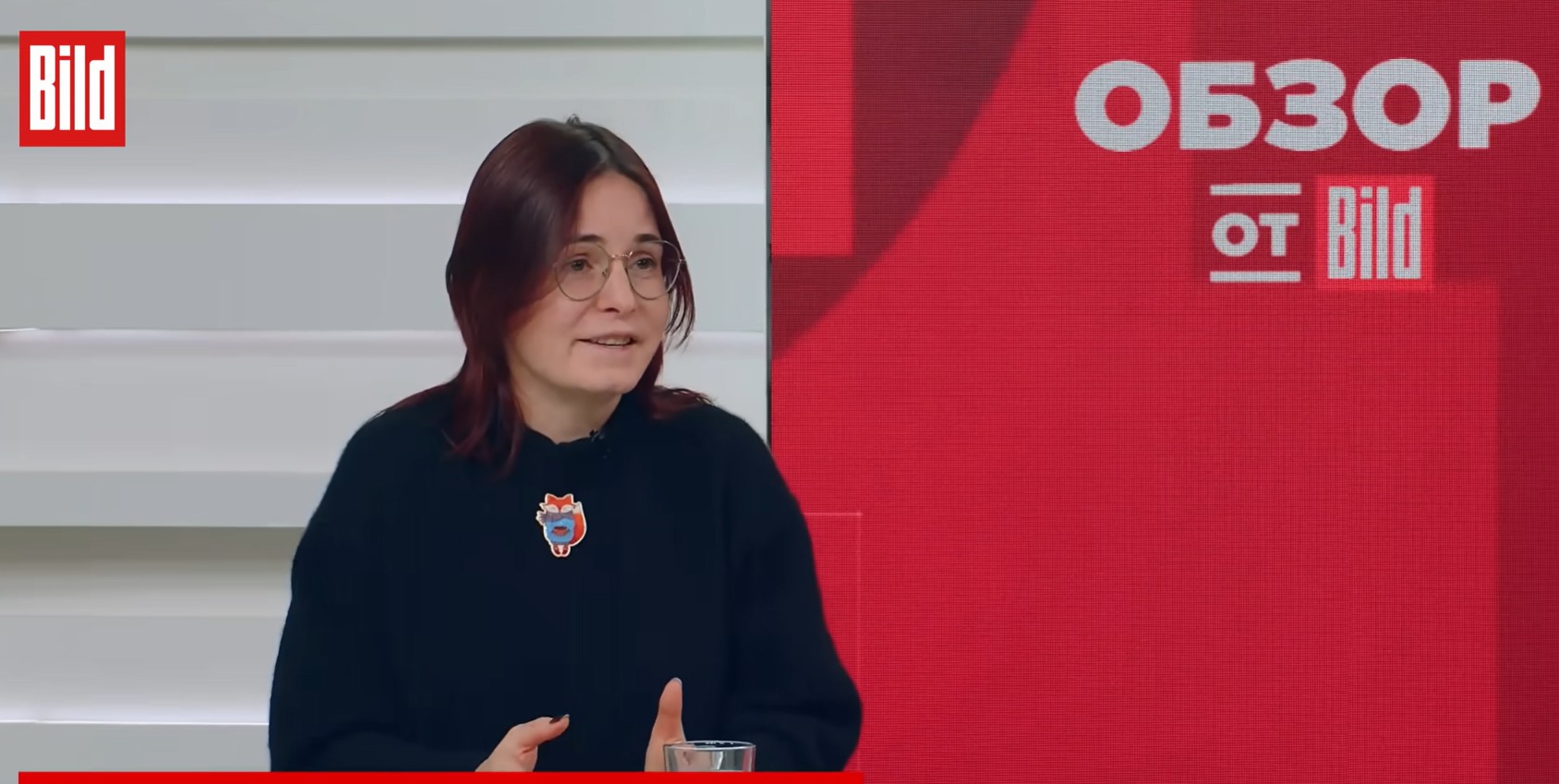
Despite a fresh round of talks in Miami regarding a potential settlement to the war in Ukraine, the composition of the Russian delegation suggests Moscow is “definitely not” looking to negotiate a serious peace deal, according to Alexandra Prokopenko, an expert on Russian economic policy.
In an interview with BILD, Prokopenko, a former advisor at Russia’s Central bank and current fellow at the Carnegie Russia Eurasia Center, painted a grim picture of the Russian political and economic landscape at the close of 2025. She described a ruling class paralyzed by fear and “fatalism,” and an economy bracing for significant inflation and tax hikes in 2026.
The “Messenger” in Miami
The presence of Kirill Dmitriev, head of the Russian Direct Investment Fund (RDIF), rather than senior diplomats like Foreign Minister Sergey Lavrov or presidential aide Yuri Ushakov, indicates a lack of substantive intent from the Kremlin, Prokopenko argued.
“The composition of the delegation… speaks to the fact that Russia went to Miami definitely not to negotiate, but rather to clarify certain issues… and articulate once again those red lines that Vladimir Putin repeated,” Prokopenko told BILD.
She characterized Dmitriev’s role as that of a “messenger” who gained a seat at the table due to his ability to access President Putin, rather than a decision-maker. According to Prokopenko, Moscow’s participation is less about ending the conflict and more about managing relations with the United States.
“It is not so much readiness for peace… as a big favor to President Trump,” she said, noting that Russia continues to signal it can achieve its goals militarily.
Elites Waiting for a “Miracle”
Addressing the mood within Russia’s halls of power, Prokopenko noted that while the elite class is broadly dissatisfied with the war, they lack the agency or will to stop it. She described a phenomenon of “delegating change,” where officials and businessmen hope for external factors to fix their situation.
“I haven’t met a single high-ranking Russian bureaucrat or businessman who would want the war, who would like the war,” Prokopenko stated. However, she added that the system is paralyzed by fear of the security services and the threat of losing their social status.
“This loyalty to the regime is a mixture of workaholism, institutional vacuum, fear… resentment, and hopelessness,” she explained.
Consequently, hopes for peace among the Russian elite are passive. “The hope for a peace agreement is a hope that events will occur externally that will change the current, rather hopeless state of affairs,” she said, citing the expectations placed on the U.S. administration to intervene.
Economic Strain and the 2026 Outlook
Prokopenko highlighted that the Russian economy is showing cracks under the weight of war spending, ending 2025 with a budget deficit of approximately 2.7% of GDP. To sustain military expenditures, the government is turning to the taxpayer.
“The state has climbed right into everyone’s pocket,” Prokopenko observed, referring to tax increases implemented in 2025 and a planned Value Added Tax (VAT) hike in 2026.
Despite government assurances that these measures are temporary, Prokopenko expressed skepticism. “If we take his words literally, I would say that it might be temporary only until the rate is [raised to] 22%,” she quipped, noting that increasing tax rates may not necessarily lead to higher revenue as businesses begin to “optimize” and conceal profits to survive high interest rates and operational costs.
Inflation and Tariff Hikes
Looking ahead to 2026, Prokopenko warned that inflation expectations remain “high” among both businesses and the population. She pointed to a cynical maneuvering of utility tariffs by the government. While a minor increase is slated for January, a significant hike is delayed until October 1, 2026.
“Of course, so as not to anger the electorate,” Prokopenko said, explaining the timing relative to the September elections. However, she warned that this delay will likely cause an inflationary spike in late 2026, further complicating the Central Bank’s attempts to manage the economy.
“Deprivatization” Continues
The interview also touched on the ongoing trend of the state seizing private assets, a process Prokopenko referred to as “deprivatization.” She noted that the business climate has fundamentally shifted, with no clear rules protecting ownership.
“There are no understandable, explained rules of the game,” she said. Prokopenko cited the recent state takeover of holding company Agroterra as evidence that foreign and domestic assets remain vulnerable.
“An asset can change owners at any time because a huge number of precedents have been created,” she concluded.