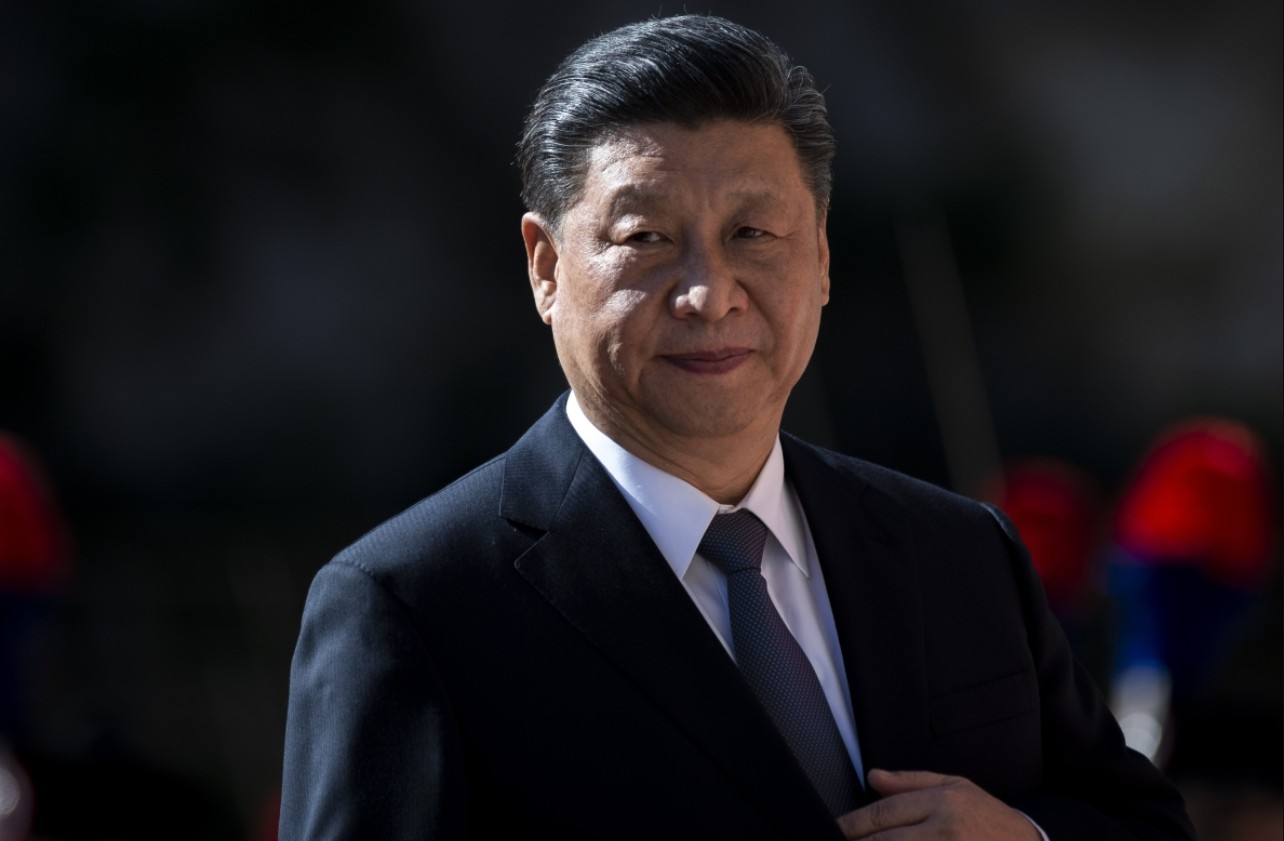
More than a decade after ascending to the helm of the Chinese Communist Party (CCP), Xi Jinping has consolidated power to a degree unseen since the era of Mao Zedong. Yet, according to a new analysis by political scientists Tyler Jost and Daniel Mattingly published by Foreign Affairs, Xi’s grip on control has created a profound vulnerability for Beijing: the absence of a clear successor.
In a recent episode of The Foreign Affairs Interview, Jost and Mattingly argue that while Xi has successfully reshaped the CCP, the military, and the economy around his personal authority, he has dismantled the norms that previously governed leadership transitions. This shift moves China from an era defined by power consolidation to one defined by the perilous question of succession.
“For any authoritarian regime, political succession is a moment of peril,” the authors noted in their discussion with deputy editor Chloe Fox. “And for all its strengths, the CCP is no exception.”
The Missing Heir
Unlike his predecessors, Deng Xiaoping and Mao Zedong, who cultivated heirs apparent well in advance, Xi has offered no clear indication of who will follow him. The experts highlighted a significant demographic gap in the current leadership structure.
“It’s not super clear who Xi Jinping is cultivating who could potentially take over,” Tyler Jost said during the interview. He noted that looking ahead to the next Party Congress in 2027, or even 2032, “it’s still not clear who’s out there who has the right mix of experience and youth to kind of take over.”
While current officials such as Premier Li Qiang or Cai Qi hold significant power, they belong to Xi’s generation. The analysis points to younger figures like Chen Jining, the Party Secretary of Shanghai, as potential candidates, but stresses that Xi has not taken the traditional steps to elevate a younger cadre to the Standing Committee to groom them for the top job.
The “Hot Mic” Mindset
The ambiguity surrounding succession may be by design. Daniel Mattingly referenced a telling “hot mic” moment between Xi and Russian President Vladimir Putin, where the two leaders joked about living to 150 years old. While likely in jest, Mattingly suggested the exchange reveals a shared psychological trait among autocrats.
“I would guess they probably share something in common, which is they both probably feel like they’re the best person… to lead their countries forward,” Mattingly said. Consequently, Xi likely intends to delay naming a successor “as long as he can.”
Military Risks and the Taiwan Question
The uncertainty of succession poses risks that extend beyond Beijing’s elite politics, potentially impacting global security and the stability of the Taiwan Strait. The experts warned that in the power vacuum following a leader’s exit, successors often feel the need to prove their control over the military apparatus.
“Military operations allow for a leader to demonstrate that the military is following their orders,” Jost explained.
This dynamic creates a dangerous incentive structure where military aggression could be used for domestic political consolidation rather than purely strategic reasons. However, the experts also noted that recent purges within the People’s Liberation Army (PLA)—including leadership in the Rocket Force—suggest Xi harbors deep concerns about the military’s competence and loyalty.
A Warning to Washington
As speculation mounts regarding China’s future leadership, the interview included a stark warning for U.S. policymakers: do not attempt to exploit the confusion.
Mattingly cautioned that any American attempt to intervene or influence China’s internal jockeying would almost certainly “backfire.”
“It would be folly to try to intervene,” Mattingly stated, noting that U.S. meddling would only validate the CCP’s narrative of foreign hostility. “It’s easy to underestimate the costs that that will have to maintaining good geopolitical relations.”
As Xi attempts to secure his legacy of “national rejuvenation,” the lack of a structured transition plan remains a volatile variable. As the authors concluded, the “drama created by a struggle over the succession is unlikely to stay inside China’s borders.”