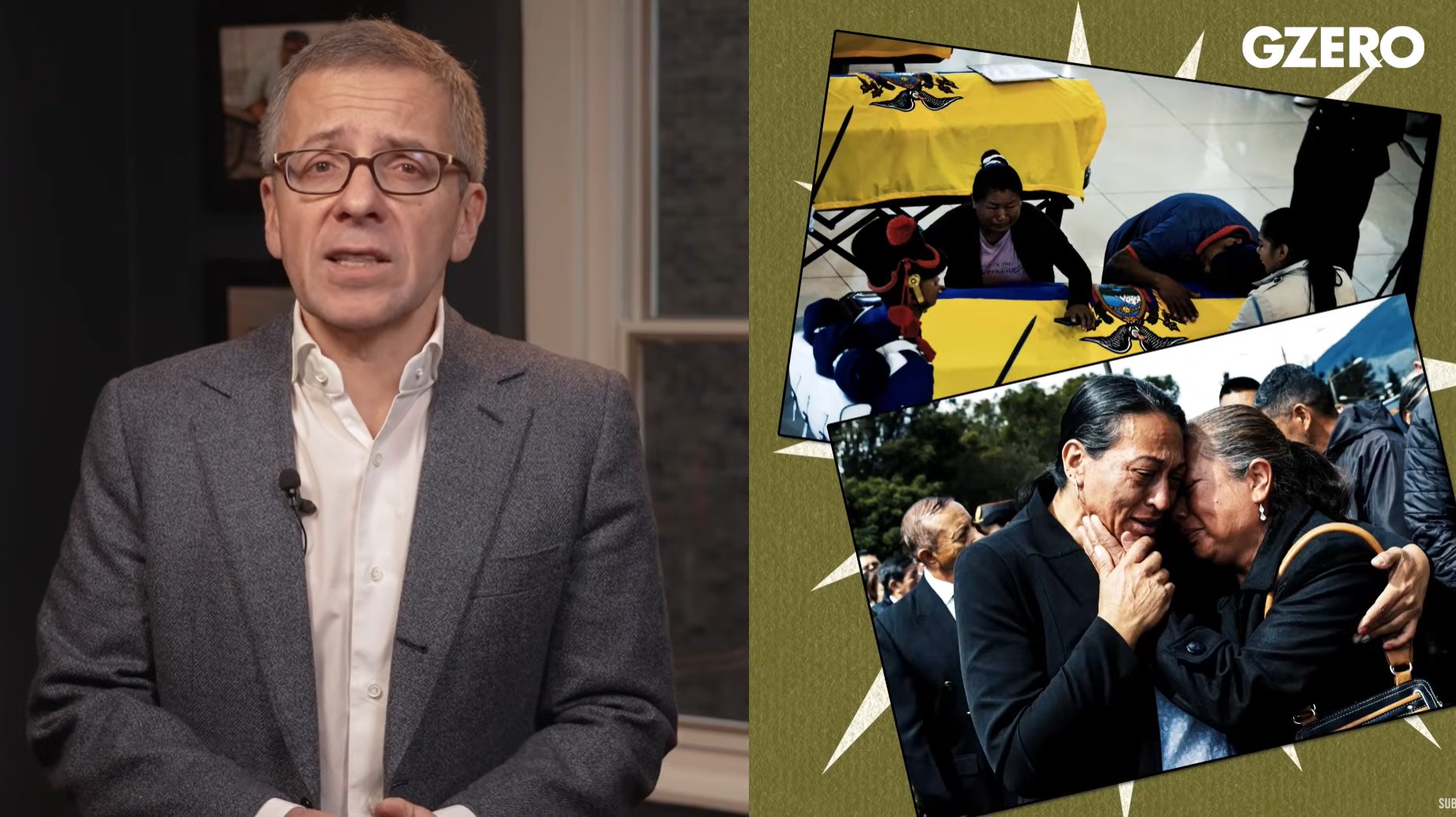
Despite high-profile assertions of diplomatic breakthroughs, the world is currently embroiled in more armed conflicts than at any time since 1945, according to a new analysis by political risk expert Ian Bremmer for GZERO Media.
While public attention remains fixed on headline-dominating wars in Gaza and Ukraine, or the civil war in Sudan and Houthi attacks in the Red Sea, a much broader deterioration of global security is underway. This assessment comes as former President Donald Trump has publicly claimed credit for resolving multiple international disputes, branding himself a “peace president.”
In a recent interview highlighted by GZERO, Trump displayed a scorecard of conflicts he purportedly ended. “I brought… just a little list… Wars. How many did I solve? Cambodia, Thailand. Kosovo, Serbia. Congo, the Congo and Rwanda,” Trump stated, noting that he had resolved “eight of the nine wars” on his docket.
However, Bremmer cautions that these political claims obscure a darker reality. Not only is the durability of peace in areas like the Thailand-Cambodia border or Eastern Congo questionable due to “renewed violence,” but the focus on these specific disputes ignores dozens of other raging fires.
“President Trump’s list doesn’t scratch the surface,” Bremmer stated. He pointed to major ongoing catastrophes often absent from Western news cycles, including the “brutal civil war in Myanmar” and the insurgency in Burkina Faso, where the military government is “battling Islamist insurgents.” He also highlighted Ecuador, where the government has declared an “internal armed conflict with cartels that have sent the murder rate soaring.”
According to the analysis, the aggregate number of active wars and armed struggles globally has reached nearly 60.
“The uncomfortable truth is that right now there are more global conflicts than at any point since the end of World War II,” Bremmer said.
The consequences of this proliferation of violence are reshaping the global economy and demographics. The report notes that mass displacement is at the highest level in recorded history, while national budgets are being drastically realigned.
“It means governments are pouring money into militaries and weapons instead of education and healthcare,” Bremmer explained.
Bremmer argues that these simultaneous crises should not be viewed as isolated incidents, but rather as “symptoms of a global order that’s breaking down.” The surge in violence is being driven by a convergence of weakening international institutions, intensifying regional rivalries, failing states, and climate shocks, creating a world where citizens feel “less safe, less hopeful, and less trusting.”