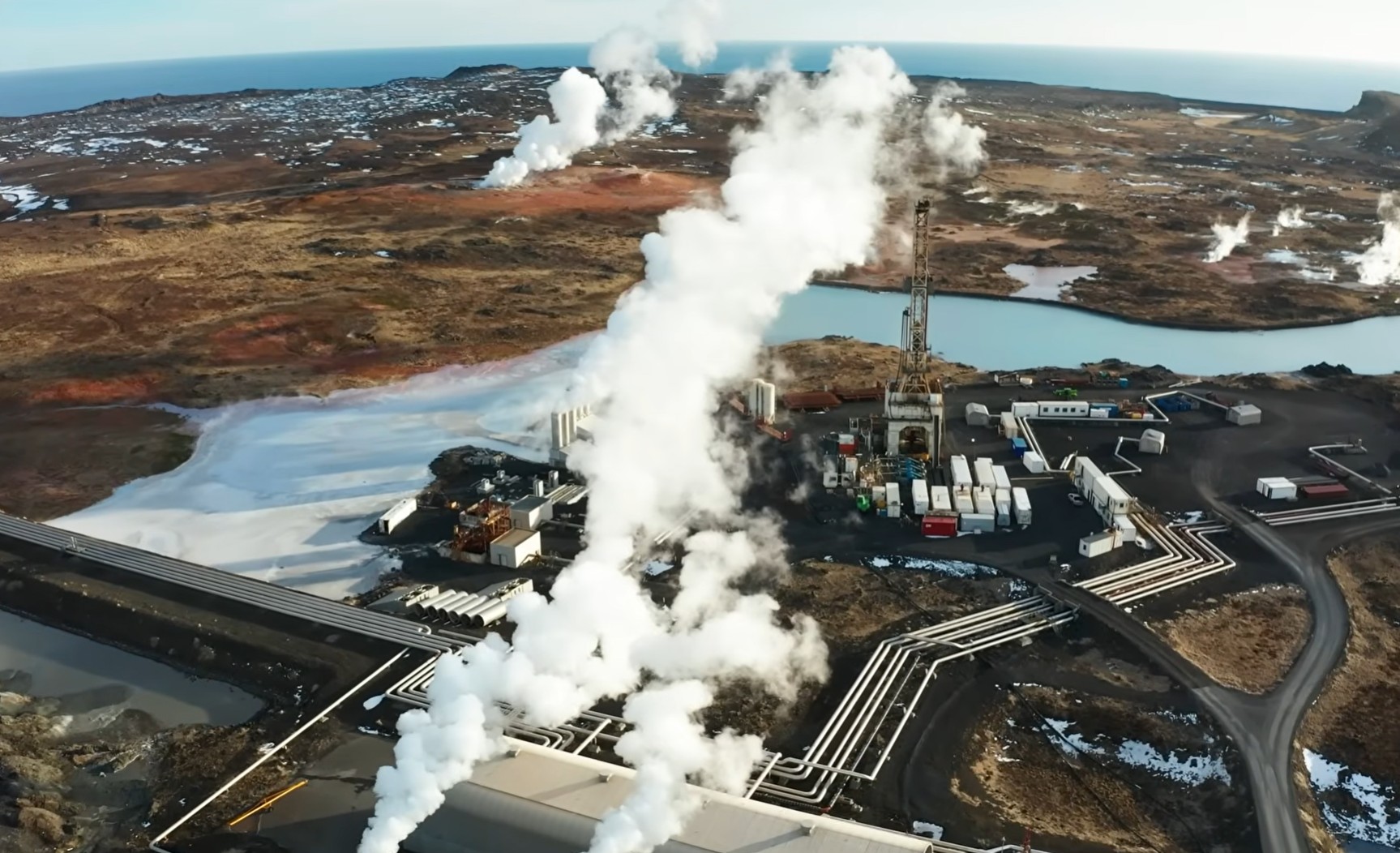
For decades, geothermal energy has remained the sleeping giant of the renewable energy transition. Despite being one of the cleanest and most reliable power sources available, it has languished as a niche industry, contributing less than 1% to the global energy mix. However, a convergence of Silicon Valley capital and petroleum engineering is sparking a revolution that experts believe could finally unleash the heat beneath our feet.
According to a recent report from The Economist, specifically an episode of its Babbage podcast, the industry is overcoming the geological constraints that have historically held it back. Vijay Vaitheeswaran, the publication’s Global Energy & Climate Innovation Editor, attributes this resurgence to a unique market collision.
“It is the surprising convergence of Big Tech’s thirst for power with Big Oil’s drilling innovations,” Vaitheeswaran told host Alok Jha. “That’s what’s happening quietly in the margins, just off-screen.”
Breaking the “Goldilocks” Constraint
Traditionally, geothermal power required a perfect “Goldilocks” set of environmental conditions: high subterranean heat, natural water reservoirs, and permeable rock fractures located relatively close to the surface. These conditions are rare, limiting geothermal plants to specific volcanic regions like Iceland or parts of California.
However, the new wave of “next-generation” geothermal—often called Enhanced Geothermal Systems (EGS)—removes the need for natural aquifers. By adapting technology from the shale oil revolution, specifically horizontal drilling and hydraulic fracturing (fracking), engineers can now create artificial reservoirs almost anywhere.
“Rather than sticking one straw in the ground… they’re actually going to stick two straws,” Vaitheeswaran explained regarding the new methodology. Companies drill deep into hot, dry rock, fracture it to create permeability, and pump water through the system to generate steam. This shift allows the industry to move away from hunting for rare geological anomalies and toward a manufacturing model where energy can be extracted reliably.
The Triple Green Advantage
The renewed interest is driven largely by the energy demands of artificial intelligence. Tech giants like Google and Meta are seeking carbon-free power sources that do not suffer from the intermittency of wind and solar.
Vaitheeswaran noted that next-generation geothermal unlocks a “triple green advantage.” Beyond providing clean energy, it offers “firm power,” running 24/7 to support baseload demand. Crucially, it also offers a solution for energy storage. By controlling the flow of the wells, operators can effectively turn the earth into a giant battery, storing energy for days rather than hours.
“It’s even more reliable than nuclear power, which we’ve seen around the world has lots of outages and engineering design flaws,” Vaitheeswaran said.
From Pilot to Power Grid
The theoretical promise of EGS is now becoming a commercial reality. Fervo Energy, a startup backed by Bill Gates and Google, has successfully demonstrated this technology at a pilot site in Utah. By applying techniques pioneered in the oil and gas sector, Fervo has achieved dramatic improvements in drilling speed and efficiency.
“They’ve got a power purchase contract with a Californian utility… to develop several hundred megawatts of power to sell,” Vaitheeswaran noted, adding that they expect to begin commercial production by “early 2026.”
Overcoming the Past
The path forward is not without risks. The use of hydraulic fracturing has raised concerns regarding induced seismicity—man-made earthquakes—which previously stalled projects in South Korea and Switzerland. However, proponents argue that modern EGS operations use sophisticated monitoring and operate under stricter protocols than the oil and gas industry.
With regulatory pathways clearing and bipartisan support in the United States, the potential scale of this industry is immense. Citing recent Department of Energy forecasts, The Economist reports that by 2050, these technologies could generate “three times the energy output of all of America’s nuclear power plants today.”
After years of stagnation, the heat beneath the Earth’s crust is finally poised to play a major role in the global energy future. As Vaitheeswaran concluded, if policy and technology continue to align, the sector could see a “trillion-dollar investment boom by 2035.”